XXV International Archaeological Film Festival of Bidasoa (Irun)
Awards
- Grand Prize of the Festival: "La cité oubliée de la dynastie Ming", directed by Stéphane Begoin
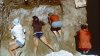
- Special Audience Prize: "Le mystère des cerfs volants", directed by Nathalie Laville
- Prize of the Educational Section: "Emakume Arkeologoak Gipuzkoan", directed by Aizpea Goenaga
- Arkeolan Prize for Contribution to Science: "Vitrum. Il vetro dei romani", directed by Marcello Adamo
- EITB Gender Perspective Prize: "Off the archaeological record", directed by Katia Calmet
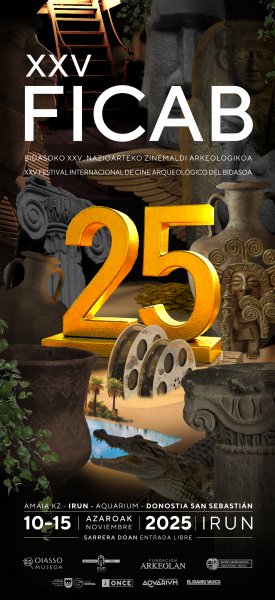
The 25th edition of the International Archaeological Film Festival of the Bidasoa (FICAB) is just around the corner. The Department of Culture of the City Council of Irun is gearing up for the celebration, starting with the presentation of the poster for this year´s edition.
A milestone date for a festival that, year after year, has consolidated its presence in the region and the wider territory, becoming the benchmark it is today. This annual event brings together both renowned production companies specializing in historical and archaeological documentaries and smaller productions supported by the quality of archaeological research.
In the words of Councillor Alzaga, “This year’s FICAB is not just any edition. While it’s true that all of them are special, this 25th edition and its silver jubilee allow us to appreciate the festival’s growth over the years and to see, in perspective, how it has become the reference point it is today. The poster we present today will serve as an incentive for an edition that will leave its mark.”
The poster, which features typical elements of the festival’s theme such as sarcophagi, valuable antiquities, and archaeological sites, includes at its center a golden number 25 to highlight the silver anniversary being celebrated this year.
It is worth noting that this year 24 films have been selected across both the official and educational sections. Notably, this year’s selection includes films from countries such as Russia, China, and Saudi Arabia, chosen for their quality and interest.
In this edition, all screenings will once again take place entirely at Amaia KZ, after last year’s temporary move to the Mendibil Shopping Center cinemas due to renovation works at the cultural center. As usual, all films will be available free of charge on the online platform FESTHOME.
Another important event this year will be the “FICAB Itinerante,” which will take place on November 13 at the Oiasso Museum. This meeting will bring together professionals from the fields of history and archaeology and will conclude with a reception hosted by the Mayor of Irun, Cristina Laborda, in the Chapter Hall of the Irun City Council.
Jury and Awards
This year, the jury will be chaired by Jesús Cimarro, President of the Association of Producers and Theatres of Madrid and also President of the National Federation of Associations of Theatre and Dance Production Companies of Spain.
He will be joined by:
-
Ana Belén Marín-Arroyo, Professor of Prehistory and Director of the Human Evolution Group (EvoAdapta) at the University of Cantabria,
-
Juan Manuel García-Ruiz, Ikerbasque Professor at the Donostia International Physics Center and Emeritus Research Professor at CSIC,
-
Giulia Pruneti, Communication Director and Co-director of the Archeofilm Festival of Florence, and
-
Mertxe Urteaga, Doctor in Archaeology and member of the Historical-Artistic Heritage Service of the Provincial Council of Gipuzkoa.
Below is the complete list of this year’s awards:
-
Grand Prize of the Festival: €2,000
-
Audience Special Award: €1,000
-
EITB Award for Gender Perspective: €1,000
-
Educational Section Award: €750
technical information
XXV FICAB
Year: 2025
Data:: 10th 15th November
- PROGRAM
Monday, 10 November 2025
17:00. OFFICIAL SECTION- HISTORY PILLS. CC AMAIA KZ Auditorium. Irun
Presentation and discussion led by doctor Xabier Peñalver
17:00. Chavet cave: . Direction: Alexis de Favitski. Francia, 2024, 52 Minutos. Language: Francés.

19:00. FESTIVAL OPENING CEREMONY. CC AMAIA KZ Auditorium. Irun
19:00. OFFICIAL SECTION. CC AMAIA KZ Auditorium. Irun
19:00. Fengyang Ancient China's forgotten capital. Direction: Bellota Films Direction: Bégoin, Stéphane. China, Francia, 2025, 91 minutos. Language: Francés.

Tuesday, 11 November 2025
11:00. EDUCATIONAL SECTION. CC AMAIA KZ Auditorium. Irun
11:00. ARK-MO: Arditurri - Mérida. IES Koldo Mitxelena BHI. Errenteria.
11:10. ARK-MO: Oiassoko ekonomia. C.P. Eguzkitza H.I. Irun
11:15. House of Faun in Pompeii. Production: Altair4 Multimedia. Direction: Moretti, Stefano. Italia, 2025, 15 minutos. Language: Inglés.

11:30. The forgotten archaeology. Aigües Baixes. A razed iberian fortress. Production: Yaq Distribución. Direction: Santiago Secades Direction: Dave Castaño. España, 2024, 20 minutos. Language: Castellano.

11:50. Abiseo. The cultural forest of Chachapoya. Production: World Monuments Fund Peru. Direction: Rosemarie Lerner. Perú, 2025, 21 minutos. Language: Español.

17:00. OFFICIAL SECTION HISTORY PILLS. CC AMAIA KZ Auditorium. Irun
Presentation and discussion led by doctor Xabier Peñalver
17:00. The mystery of desert kites. Direction: Nathalie Laville. Arabia Saudí, Jordania, Francia, Alemania, 2025, 54 minutos. Language: Inglés.
19:00. OFFICIAL SECTION. CC AMAIA KZ Auditorium. Irun
19:00. Tautavel. Living in Europe before Neanderthal. Production: Tangerine Productions. Direction: Emma Baus. Francia, 2024, 90 minutos. Language: Francés.
19:55. Campo della Fiera and the well of time. Production: Maria Teresa Pilloni. Production: Mario Mazzoli. Direction: Dalessandro, Massimo. Italia, 2025, 50 minutos. Language: Italiano.
Wednesday, 12 November 2025
11:00. EDUCATIONAL SECTION. CC AMAIA KZ auditorium. Irun
11:00. ARK-MO: Zubiak, Bidasoaren ateak. Colegio San Vicente de Paul Ikastetxea. Irun
11:05. House of Faun in Pompeii. Production: Altair4 Multimedia. Direction: Moretti, Stefano. Italia, 2025, 15 minutos. Language: Inglés.
11:20. Anatomy of a kiln. Direction: Pilar Abades Direction: Sabela Iglesias Direction: Adriana P. Villanueva. España, 2024, 30 Minutos. Language: Gallego.

11:50. Archaeology for flying children. Production: Cecilia Caniuman Ancalef. Direction: Felipe Cona Aracena. Chile, 2024, 23 minutos. Language: Español.

17:00. OFFICIAL SECTION- HISTORY PILLS. CC AMAIA KZ Auditorium. Irun
Presentation and discussion led by doctor Xabier Peñalver
17:00. Balchiria mystery. Production: Passé Simple. Direction: Azéma, Marc. Francia, 2025, 52 Minutos. Language: Francés.
19:00. OFFICIAL SECTION. CC AMAIA KZ Auditorium. Irun
19:00. Ramesseum 2023: a temple and its necropolis. 34th archaeological campaign. Production: ASC distribution. Direction: Pascal Pelletier. Francia, 2024, 90 minutos. Language: Francés.
Thursday, 13 November 2025
11:00. EDUCATIONAL SECTION. CC AMAIA KZ Auditorium. Irun
11:00. ARK-MO: Ithurralde - Etnologo gazte. École Manex Erdozaintzi Etxart Kolegioa. Larzabale.
11:10. ARK-MO: Mandoxineko bordatik mugaz gaindi; Comète sarea. Collège Kattalin Elizalde ikastegia. Senpere
11:15. ARK-MO: Baionako gaztelua - Baionako katedrala. UPPA Euskal ikasteketak. Baiona
11:25. Emakume arkeologoak Gipuzkoan. Direction: Aizpea Goenaga. España, 2023, 30 Minutos. Language: Euskera.
17:00. Tartessos, a reflection in the Guadiana river. Production: Canal Extremadura TV. Direction: Beatriz Carrasco. España, 2025, 54 minutos. Language: Castellano.

17:00. OFFICIAL SECTION- HISTORY PILLS. CC AMAIA KZ Auditorium. Irun
Presentation and discussion led by doctor Xabier Peñalver
18:00. OFFICIAL SECTION. UNDERWATER ARCHAEOLOGY. AQUARIUM DONOSTIA SAN SEBASTIÁN
18:00. Vitrum. Roman Glass revolution. Direction: Marcello Adamo. Italia, 2025, 52 Minutos. Language: Italiano.

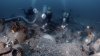
19:00. Shipwrecks, divers and frogmen. Production: Pau Castellvi Rubinat. Direction: Josep Maria Castellví Viladegut. España, 2025, 72 minutos. Language: Castellano.
19:00. OFFICIAL SECTION. CC AMAIA KZ Auditorium. Irun
19:00. Mountains with memory. Production: Instituto Catalán de Arqueología Clásica. Production: Cooperativa Bitlab cultural. Direction: Josep M. Palet Direction: Marta Flórez. España, 2025, 16 minutos. Language: Castellano.

19:15. Army of lovers. Production: Anemon Productions. Direction: Lefteros Charitos. Grecia, 2025, 86 minutos. Language: Inglés.

Friday, 14 November 2025
11:00. OFFICIAL SECTION. CC AMAIA KZ Auditorium. Irun
17:00. OFFICIAL SECTION- HISTORY PILLS. CC AMAIA KZ Auditorium. Irun
Presentation and discussion led by doctor Xabier Peñalver
17:00. House of Faun in Pompeii. Production: Altair4 Multimedia. Direction: Moretti, Stefano. Italia, 2025, 15 minutos. Language: Inglés.
17:15. Excavation diary. Production: Omero su Marte. Direction: Lorenzo Scaraggi. Italia, 2025, 50 minutos. Language: Italiano.
19:00. OFFICIAL SECTION. CC AMAIA KZ Auditorium. Irun
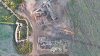
19:00. The forgotten archaeology. Aigües Baixes: a razed iberian fort. Production: Yaq Distribución. Direction: Santiago Secades Direction: Dave Castaño. España, 2024, 20 minutos. Language: Castellano.
19:20. Off the archaeological record. Production: Paloma García Marcén. Direction: Katia Calmet. España, 2024, 74 minutos. Language: Castellano.
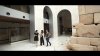
20:30. Abiseo. Cultural forest of the Chachapoya. Production: World Monuments Fund Peru. Direction: Rosemarie Lerner. Perú, 2025, 21 minutos. Language: Español.
20:50. The tomb of the Red Queen of Palenque. Production: Relatando historias. Direction: Rafael Morales Orozco. México, 2025, 40 minutos. Language: Español.

Saturday, 15 November 2025
11:00. OFFICIAL SECTION. CC AMAIA KZ Auditorium. Irun
11:00. Skammata. Direction: Danae Stylianou Direction: Danae Stylianou. Chipre, 2024, 86 minutos. Language: Inglés, Francés, Griego.
18:30. CLOSING AWARD CEREMONY. Auditorium Amaia KZ Irun
19:00. Non competing film: The Eagle. Production: Focus Features Films. Production: Twins Financing. Production: Film4. Direction: Kevin MacDonald. Estados Unidos, 2011, 108 minutos. Language: Inglés.

Sunday, 16 November 2025
00:00. ON LINE FESTIVAL
FICAB FESTHOME: https://tv.festhome.com/festivaltv/xxv-festival-internacional-de-cine-arqueologico-del-bidasoa/0/6004
“Piotr Kozlov. A way to the heart of Asia” (2025). — Only available on line.
00:00. Piotr Kozlov. A way to the heart of Asia. Production: AgitEk Studio. Direction: Nikolay Makarov. Rusia, Mongolia, 2025, 61 minutos. Language: Inglés.
 This film is made in the genre of docufiction for a young audience. The film tells the story of the great russian traveler of the early 20th century Piotr Kozlov, an explorer of Central Asia who discovered the anciente city of Khara-Khoto lost in the sands. Unfortunately, this name is little known, although the Hermitage and other museums are proud of the collections from his expeditions. The plot of the film is the "path" of a young scientist who inmerses himself in the "unknown personality" of the passionate Kozlov, in the "era of great discoveries" that took place 100 years ago. The viewer follows the hero of the film. A parallel is the Mongolian Scientific Expedition of 2023-2024 "Along the routes of Piotr Kuzmich Kozlov". The expedition includes famous scientists, historians, archaeologists and geologists.
Cine Arqueologico del Bidasoa
Museo Romano Oiasso
Eskoleta, 1. 20302 Irun
Tfno.: (+34) 943-63 93 53
E-mail: ficab.oiasso@irun.org
 Facebook