


 Bidasoko Nazioarteko Zinemaldi Arkeologikoa
Festival Internacional de Cine Arqueológico del Bidasoa
Bidasoko Nazioarteko Zinemaldi Arkeologikoa
Festival Internacional de Cine Arqueológico del Bidasoa
Bidasoko Nazioarteko Zinemaldi Arkeologikoa
Festival Internacional de Cine Arqueológico del Bidasoa
Bidasoko Nazioarteko Zinemaldi Arkeologikoa
Festival Internacional de Cine Arqueológico del Bidasoa
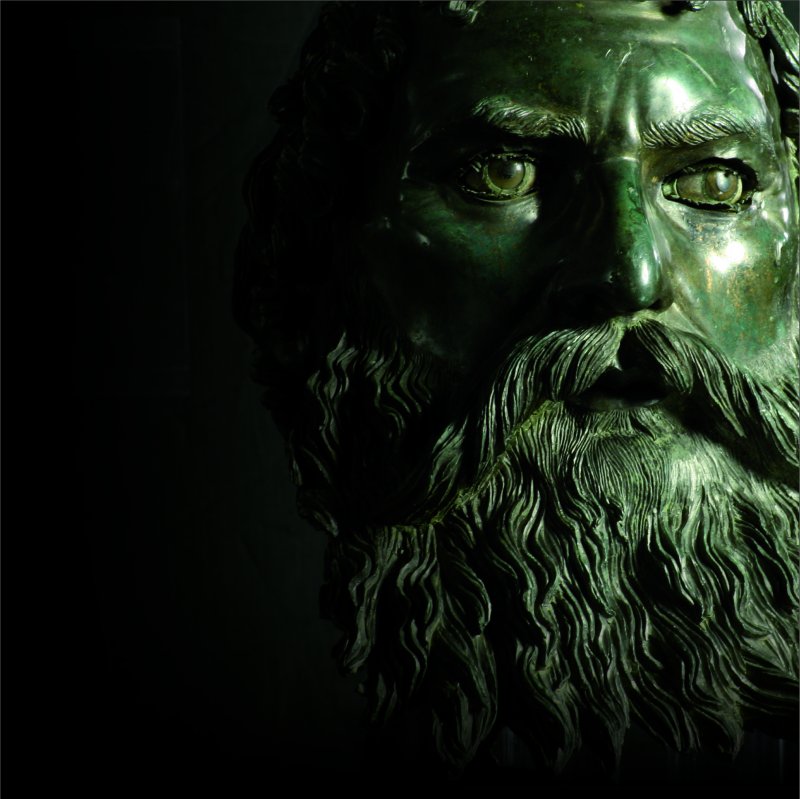
Seuthes the immortal, secrets of a thracian king
Following
the discovery in 2004 of the tomb of Thracian king Seuthes III, in
Bulgaria, archaeologists and historians began to decipher his legacy,
finding themselves face to face with the figure of a modern king open to
Hellenization, but at the same time opposed to the Macedonian yoke; a
priest-king, also linked to the conservation of Orphic rites so typical
of the Thracian society.
Technical details
- Period - Culture: Iron Age
- Year: 2009
- Duration: 52 minutos
- Country of production: Bulgaria
- Territory: Bulgaria
- Language: Francés
- Direction: Rousseva, Zlatina
- Production: ARTE France / Crescendo Films
- FICAB edition: FICAB IX (2009)