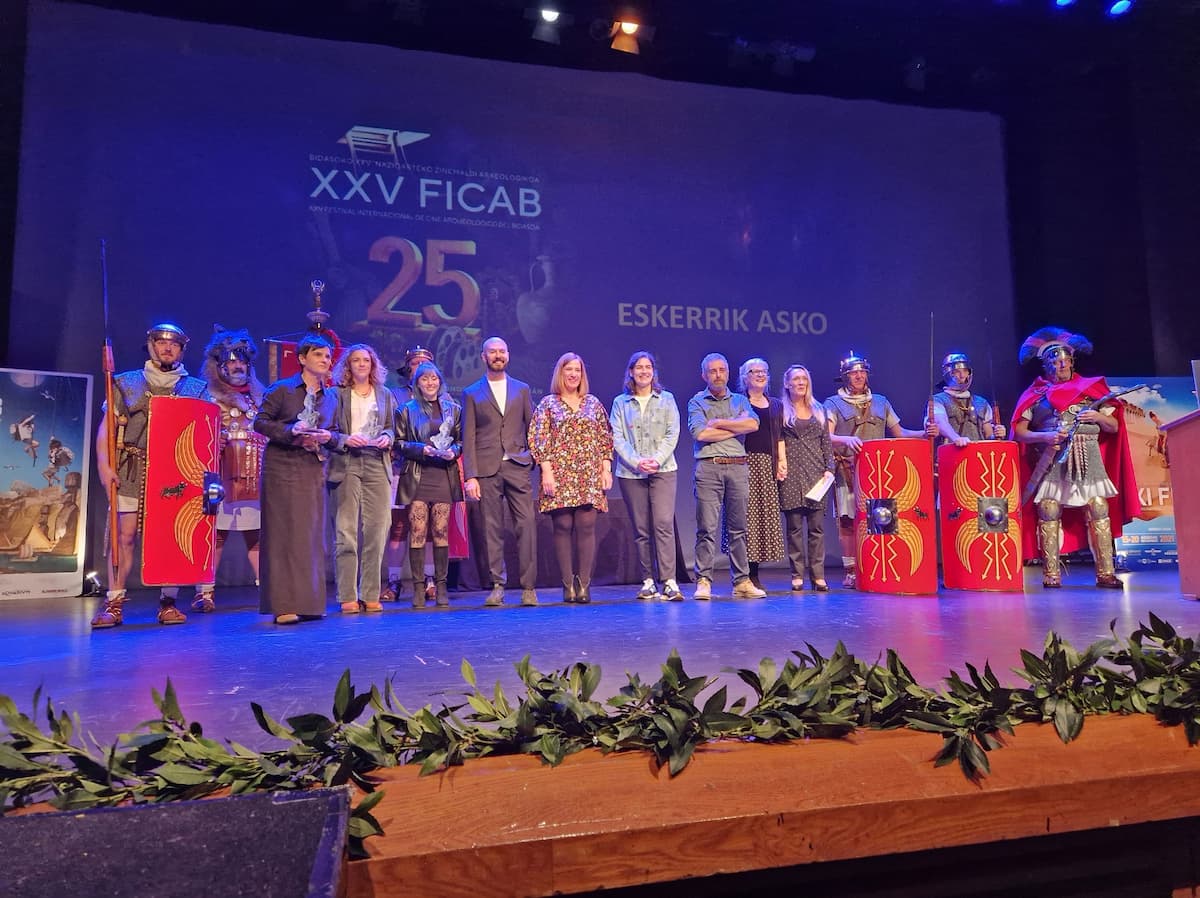
International Bidasoa Archaeological Film Festival
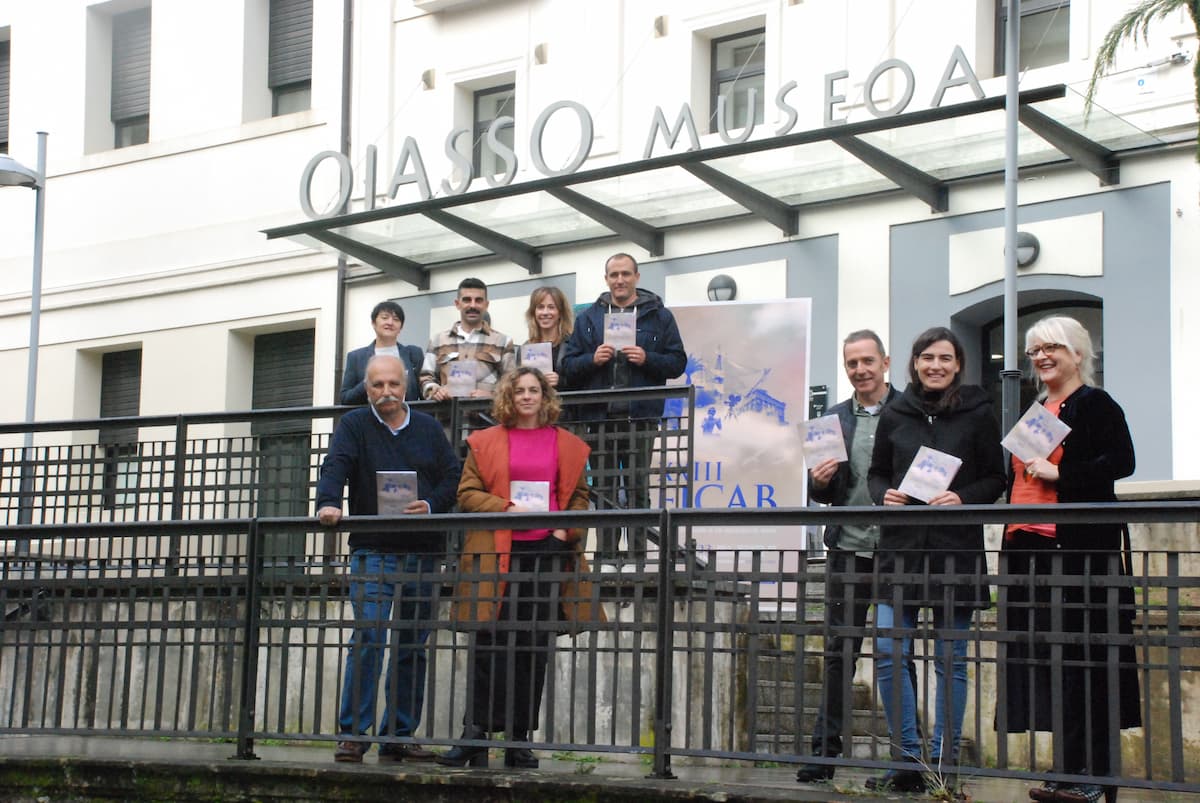
The International Bidasoa Archaeological Film Festival was launched in 2001 as a joint initiative of the City Council of Irun (Guipúzcoa, Basque Country) and the ARKEOLAN Centre for Historical-Archaeological Studies and Research. One of the objectives of the project was to help launch the newl Oiasso Roman Museum, founded in July 2006. Links between the Film Festival and the museum persist till this day.
Aims
The Festival aims to bring archaeology to the general public by distributing, promoting and sharing films delving into the work of archaeologists. The Festival welcomes films of all genres (documentaries, reports, research, etc.), produced by individuals or public or private entities of any nationality, that address archaeology and its techniques, ethnoarchaeology and cultural heritage and its conservation.
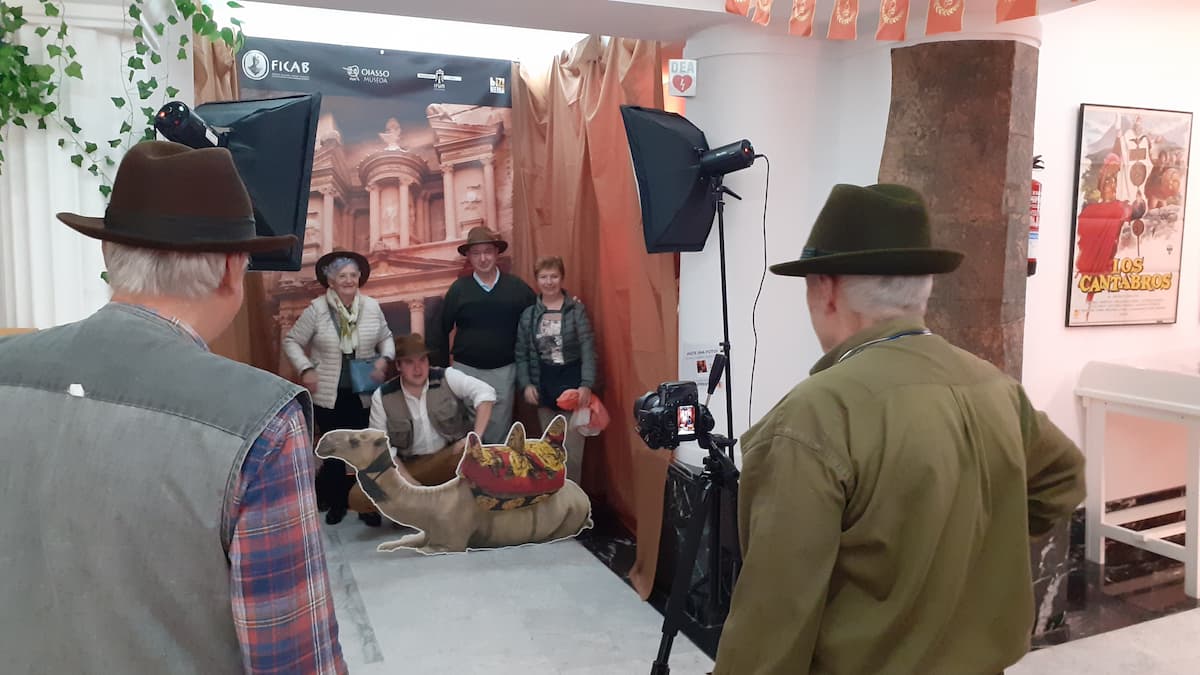
This annual event is a meeting place for everyone from the most prestigious producers specializing in historical and archaeological documentaries to small film-makers showcasing the excellence of their archaeological research. Since 2015, there has been an educational section for schoolchildren.
Awards
In 2004 FICAB introduced a competitive element, featuring the following awards:
- Best of Festival Award.
- Special Audience Award.
- ARKEOLAN Award for Scientific Outreach.
Currently, FICAB also features the Educational Section Award and the EITB Gender Perspective Award..
In 2007, the Festival joined FEDARCINE, European Federation of Archaeological and Heritage Film Festivals. FICAB’s participation in Fedarcine broadens the influence of the Bidasoa festival and provides a gateway into European circuits.