


 Bidasoko Nazioarteko Zinemaldi Arkeologikoa
Festival Internacional de Cine Arqueológico del Bidasoa
Bidasoko Nazioarteko Zinemaldi Arkeologikoa
Festival Internacional de Cine Arqueológico del Bidasoa
Laville, Nathalie
Films
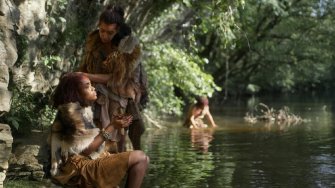
21,000 years ago, men did not live in caves and hunt mammoths while wearing animal skins on their bare backs. They were skilled in shaving, sewing their own clothes, applying makeup, speaking a language, and living in small tent villages, just like we do today. At that time, while Britain was still experiencing its last ice age, southern Europe enjoyed a wave of warm weather, providing an abundance of food and shelter. In southern France, families of master artists created what is now considered the greatest work of prehistoric art – the Lascaux Cave. Who were these men and women?
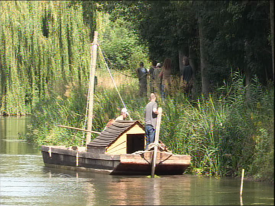
With the arrival of the Romans, Gaul witnessed a great development
in means of transport that would radically alter society: products circulate,
but so do information, beliefs and technology. Travellers, bringers of new
developments, actively participate in the unity and wealth of Gallo-Roman
civilisation.
Educational Section. Place: Conference Hall Amaia K.Z. (Irun)
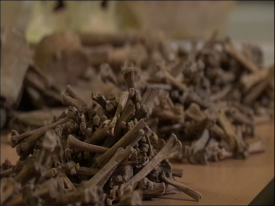
Preventive Archaeology takes place on
sites that are in danger of disappearing due to any type of architectural or
engineering work. Public works in the area around the English town of
Cannington allowed archaeologists to hold a dig in summer 2014, which will
bring to light the remains of three Roman buildings; the constructions formed
part of a luxury villa from the Roman period. Together with this,
identification of levels from the Iron Age and medieval period will make it
possible to offer a complete overview of the historical development of the
site.
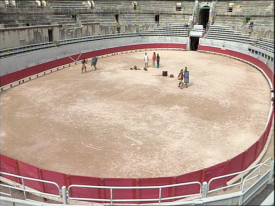
It was Julius Caesar who gave the name
Gaul to the group of territories that he conquered between 58 and 51 B.C.
Gallo-Roman civilisation developed during two centuries of peace, filling the
new provinces with amphitheatres, forums and temples located in cities. And
when we say city, we also mean citizens, a concept that developed alongside the
integration of the Gauls into the Empire.