


 Bidasoko Nazioarteko Zinemaldi Arkeologikoa
Festival Internacional de Cine Arqueológico del Bidasoa
Bidasoko Nazioarteko Zinemaldi Arkeologikoa
Festival Internacional de Cine Arqueológico del Bidasoa
Jacques Plaisant
Films
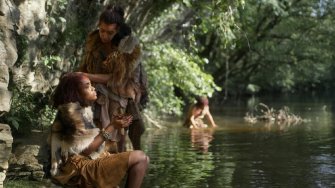
21,000 years ago, men did not live in caves and hunt mammoths while wearing animal skins on their bare backs. They were skilled in shaving, sewing their own clothes, applying makeup, speaking a language, and living in small tent villages, just like we do today. At that time, while Britain was still experiencing its last ice age, southern Europe enjoyed a wave of warm weather, providing an abundance of food and shelter. In southern France, families of master artists created what is now considered the greatest work of prehistoric art – the Lascaux Cave. Who were these men and women?
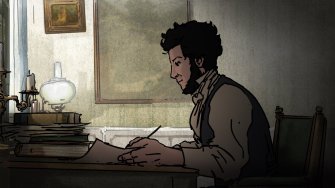
On the morning of 14 September 1822, in a room under
the roof in Paris, Jean-François Champollion finally reached his goal. The
decoding of a last cartouche had just provided him with the missing elements. A
thousand-year-old civilisation had found the word... It was the culmination of
a quest lasting almost 30 years. Crazy with joy, he rushes into the arms of the
man who was his mentor over the decades: his elder brother, Jacques-Joseph.
History has only remembered the younger brother, yet the deciphering of the
hieroglyphs was that of a duo: two brothers who believed in their destiny, and
one by one pushed back the obstacles to finally succeed, where generations of
researchers had given up.